
Understanding Club Release in the Downswing
The moment of releasing the club during your downswing is crucial for maximizing your golf swing's efficiency and power. In this article, we will delve into the mechanics of how and when to release the club, drawing on key concepts that can significantly enhance your performance on the course.
The Importance of Handle Movement
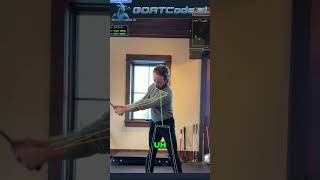
One of the primary points to grasp is the role of the club handle in the release process. When we discuss the acceleration of the club, we must focus on how the handle moves during the downswing. Imagine the handle of the club moving forward versus backward; the handle's movement directly influences the clubhead's speed and direction.
Acceleration Dynamics
To achieve proper acceleration, the handle must not be moving forward continuously. If the handle keeps moving forward, the clubhead cannot achieve the necessary speed. The key is to create a scenario where the handle stops moving forward at the right moment, allowing for a sudden increase in clubhead velocity. This is where we see the most effective acceleration occur—when the handle's forward movement ceases.
Counterintuitive Concepts
This may seem counterintuitive, especially after discussing how to keep the club moving down the line without worrying about the release until a certain point in the swing. It’s essential to understand that while we want to keep the handle moving during the initial phases, we must also prepare for the release at the correct moment in the downswing.
Using Your Body to Drive the Handle
To master this release, it’s vital to engage your body properly. The trail side of your body should be driving the arm, allowing you to maintain control over the handle. This technique ensures that the handle moves properly, setting up for an effective release. When practicing, focus on using your core, glutes, and hamstrings to power the handle's movement, rather than relying solely on your arms.
Progressing Through Different Shots
As you refine your swing, consider how the release varies with different types of shots. When executing shorter shots, such as chips and pitches, the release is minimal. However, as you begin to hit longer shots, such as a 40-yard wedge shot, the release becomes more pronounced. This gradual increase in release correlates with the distance you are from the hole; the further you are, the more release is necessary to generate distance and accuracy.
Practice Makes Perfect
Start your practice routine with a putter, gradually transitioning to chips and then to pitch shots. With each step, pay close attention to the handle's movement and how it influences the clubhead's acceleration. This method will help you internalize the mechanics of the release, ensuring you apply them effectively during your full swing.
Conclusion
Understanding when and how to release the club in the downswing is a pivotal element of a successful golf swing. By focusing on handle movement, engaging your body, and practicing various shot types, you can enhance your swing dynamics and achieve greater consistency and power on the course.
Key Takeaways
- Focus on the handle's movement to improve clubhead acceleration.
- Stop the forward movement of the handle at the right moment for effective release.
- Use your body, particularly your core and glutes, to drive the handle during the swing.
- Progressively increase the release as you transition from short chips to longer wedge shots.
- Consistent practice with various shot types will help internalize the mechanics of release.
See What GOATY Finds in Your Swing
Upload a swing video and get your GOATScore, root cause diagnosis, and personalized drill prescription in 60 seconds.
Analyze My Swing Freeor
Try a Free Live LessonRelated Articles

Master Golf Swing Acceleration and Deceleration Techniques
Learn to optimize your golf swing by mastering acceleration and deceleration phases for improved performance. Discover t
Unlock Your Golf Swing: Master the Loading Secret
Discover how to load your golf swing like the GOATs with this essential technique. Improve your game with expert tips an

Master Your Golf Swing: Fix Arms and Load Right
Learn to fix your arms and load properly for a powerful golf swing with expert tips from Chuck Quinton.