
Understanding the Role of Hand Positioning in Golf
In golf, the mechanics of your swing can make or break your performance on the course. One key area that often gets overlooked is the relationship between your hands and the club during the swing. Understanding how hand positioning affects club release is crucial for improving your overall swing mechanics and achieving better results.
The Importance of Proper Shoulder and Hip Alignment
When addressing the ball, many golfers instinctively want to turn their shoulders directly towards the target. However, this approach can lead to complications in the swing. Instead, maintaining a 45-degree angle away from the target allows for better control over your swing mechanics. The key here is to understand that by tilting your shoulders rather than aligning them directly with the target, you can create a more effective swing path.
Creating Side Bend
As you set up your swing, creating side bend in your posture is essential. This means tilting your upper body away from the target, which not only affects your shoulder position but also impacts how your hips engage during the swing. When you create this side bend, it establishes a more dynamic interaction between your hands and the club, allowing for a smoother transition as you swing.
What Happens When You Turn Your Shoulders?
Now, let’s consider what happens if you do turn your shoulders towards the target while swinging. When the shoulders move in this manner, they carry the hands and club along with them. This synchronization can lead to a scenario where the hands do not have the opportunity to decelerate effectively. As a result, the club cannot accelerate as quickly as it should, which can hinder distance and accuracy.
The Hands and Club Relationship
When your shoulders turn, they dictate the movement of your hands and the club. If you maintain a proper tilt and side bend, once you reach a certain point in your swing, the hands will naturally slow down as they run out of momentum. This is crucial: when the hands stop moving, the club will release. The key takeaway here is to allow your hands to decelerate at the right moment.
The Mechanics of Club Release
Imagine your hands are on a roller coaster. As the ride approaches the end of the track, the car slows down, and the momentum shifts. Similarly, in your golf swing, when your hands reach their maximum forward movement, they will naturally come to a stop, allowing the club to release effectively. This release is what generates speed and power in your swing, ultimately translating into better shots on the course.
Practical Application in Your Swing
To apply these concepts during your practice, focus on achieving the correct tilt and side bend in your posture. As you swing, pay attention to the relationship between your hands and the club. If you find yourself turning your shoulders too much towards the target, it may be beneficial to reassess your stance and alignment. Utilizing AI swing analysis can also help measure your swing patterns and ensure you are on the right track.
Key Takeaways
- Maintain proper shoulder and hip alignment to enhance swing mechanics.
- Creating side bend is essential for effective hand and club interaction.
- When hands stop moving, the club can release effectively for better swing power.
- Practice achieving tilt and side bend to improve your swing consistency.
- Consider using AI swing analysis to measure and refine your swing patterns.
See What GOATY Finds in Your Swing
Upload a swing video and get your GOATScore, root cause diagnosis, and personalized drill prescription in 60 seconds.
Analyze My Swing Freeor
Try a Free Live LessonRelated Articles

Mastering Club Release for Better Golf Swings
Learn how to improve your golf swing by mastering club release with these key techniques from Chuck Quinton.

Master Your Golf Swing with Effortless Club Release
Discover the secret to a powerful golf swing with effortless club release. Learn how to feel the club tear from your han
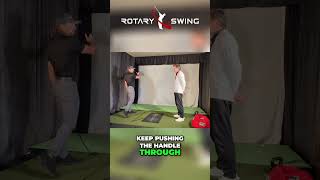
Understanding Hand and Club Dynamics in Your Swing
Learn how hand positioning impacts club release in your golf swing for better performance.