
Introduction to Supination in Golf
When it comes to the mechanics of your golf swing, one concept that often comes up is supination. Many golfers wonder whether supination requires more or less timing in their swings. In this article, we will explore what supination is, how it affects your swing, and clarify some common misconceptions surrounding the timing required for effective supination.
What is Supination?
Supination refers to the rotation of your forearm that results in the palm of your hand facing up. In the context of a golf swing, supination is a crucial aspect that can influence how the clubface aligns at impact. This concept is often misunderstood, leading to the belief that it requires a great deal of timing and precision.
Demonstrating Supination
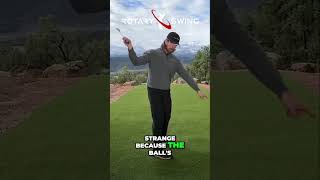
To illustrate the impact of supination on your swing, let's imagine you're starting from a preset impact position. In this scenario, if you were to lift the club straight up and then supinate your wrist, you would see how this action operates in isolation. Although this is an extreme exaggeration—since we typically swing with both arms and our body—this exercise is beneficial for understanding the movement.
The Role of Body Movement
During this demonstration, notice how my hands and arms remain quiet while I supinate the club. This quietness is essential for squaring the clubface effectively. A common misconception is that a lot of timing is necessary when performing this action, but in reality, you can see that timing is not a major factor here. The less you do with your arms, the more effective your supination becomes.
Timing and Supination
As I continue to demonstrate the supination process, observe how the shaft of the club transitions from pointing down to catching the sunlight. This visual cue is important; it shows that as the club falls back, there's minimal movement in my arms and hands. The key takeaway is that the club is allowed to move naturally while my body and arms remain stable.
Quiet Hands and Arms
Throughout this process, notice how the area around my right pec and shoulder remains engaged yet relaxed. The arms are quiet, and particularly my right hand and elbow pit show minimal movement. This lack of frantic motion is crucial to achieving a square clubface at impact.
The Importance of Body Rotation
As you approach the striking phase of your swing, the natural rotation of your body plays a significant role. When you allow your body to rotate while your arms remain quiet, it helps the clubface to square up effortlessly. This means you're not frantically trying to manipulate the clubface with your hands or arms, which is a common mistake among golfers.
Conclusion: Simplifying Your Swing
In conclusion, understanding the role of supination in your golf swing can help you eliminate unnecessary movements and focus on what truly matters: smooth, consistent swings. By using less effort in your arms and allowing your body to dictate the movement, you can achieve better results with less timing involved.
Key Takeaways
- Supination is the rotation of the forearm that affects clubface alignment.
- Effective supination requires minimal timing and movement of the arms and hands.
- Maintaining a quiet upper body allows for better control and consistency.
- Body rotation plays a critical role in squaring the clubface naturally.
- Practice these principles to simplify your swing and improve your overall game.
See What GOATY Finds in Your Swing
Upload a swing video and get your GOATScore, root cause diagnosis, and personalized drill prescription in 60 seconds.
Analyze My Swing Freeor
Try a Free Live LessonRelated Articles

Mastering the GOAT Delivery Position in Golf
Learn how to achieve the GOAT delivery position with supination techniques for better ball striking.

Mastering the Supination for Better Golf Swings
Learn the essential trick to improve your golf swing using supination techniques for optimal performance.
Mastering the GOAT Delivery Position in Golf
Learn the essential technique of supination for a better golf swing, inspired by the elite model of ball striking.