
The Importance of Wrist Motion in Golf
When it comes to generating power in your golf swing, the key factor often lies in the motion of your wrists. Many golfers struggle with the right technique and end up relying on instinctive movements that feel powerful but can actually hinder their performance. In this article, we will explore how to effectively use your wrists to enhance your swing and achieve both speed and accuracy.
Understanding the Conveyor Belt Analogy
One of the most effective analogies to understand wrist motion is the conveyor belt analogy. Imagine your hands as the end of a conveyor belt that should be positioned directly over the ball at impact. When you push your hands forward too much, you effectively move the end of that conveyor belt further down the line, which can lead to a loss of power and control. Instead, you want the conveyor belt to be directly over the ball, allowing the club to snap right over it.
Feeling the Right Motion
To achieve this, focus on creating a motion that feels natural and quick right at the point of impact. This technique should help square the clubface automatically and maximize your swing speed. It may feel unnatural at first, especially if you're used to certain instinctive movements that seem more straightforward.
The Pronation vs. Supination Dilemma
Most golfers instinctively want to pronate their trail arm, which involves internally rotating the arm. This is often perceived as a more powerful move because it engages larger muscles in the front deltoid and chest. However, this instinct can steepen the club shaft, leading to a less effective swing. What you really want to do is to supinate your wrist and maintain a proper elbow position. This will help you avoid the common mistake of swinging across the ball, which can lead to inconsistent shots.
Achieving the Right Elbow Position
Maintaining the correct elbow position is crucial for getting into the proper Golf Down Position (GDP). If you find yourself pronating too quickly, your elbow will not be able to align correctly, leading to a poor swing path. Instead, focus on the supination of your wrist and allow your elbow to move in a way that supports a more natural swing.
Integrating AI Swing Analysis
Utilizing tools like AI swing analysis can help you measure and visualize these movements in your swing. By understanding your wrist movement and its impact on your performance, you can make precise adjustments and improve your overall game.
Key Takeaways
- Focus on wrist motion to enhance power and accuracy.
- Use the conveyor belt analogy to visualize proper hand positioning.
- Avoid instinctive pronation; instead, practice supination for better results.
- Maintain the correct elbow position to achieve a natural swing path.
- Consider AI swing analysis for personalized feedback and improvement.
See What GOATY Finds in Your Swing
Upload a swing video and get your GOATScore, root cause diagnosis, and personalized drill prescription in 60 seconds.
Analyze My Swing Freeor
Try a Free Live LessonRelated Articles

Unlocking Power in Your Golf Swing with Side Bend
Discover how side bend enhances your golf swing power and control. Learn effective techniques for optimal performance on
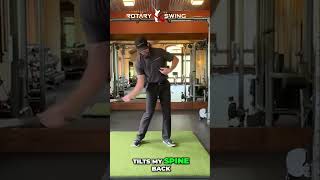
Mastering Golf: Move the Clubhead and Wrist First
Learn how to improve your golf swing by focusing on moving the clubhead and wrist first for better performance.
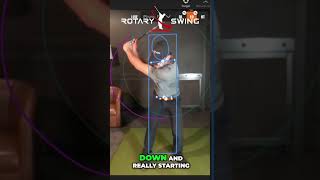
Understanding Lateral Hip Movement in Golf Swings
Discover how lateral hip movement enhances your golf swing, improving power and consistency. Unlock your potential with